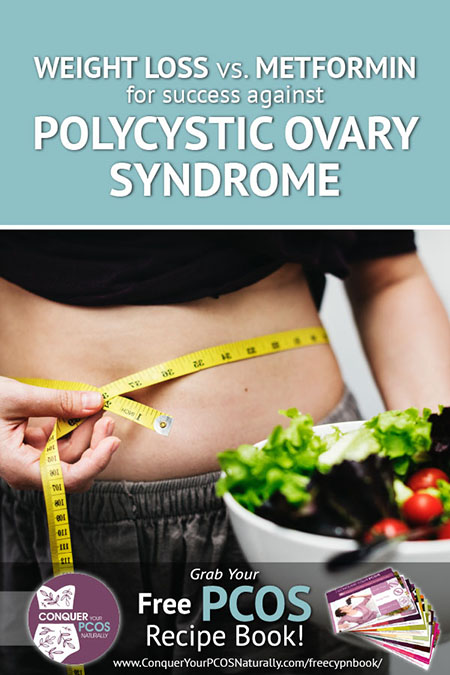
Polycystic Ovary Syndrome (PCOS) is a common syndrome affecting many people, often involving insulin resistance and inflammation. It is commonly treated with medications like metformin and oral contraceptives. However, there is growing evidence that sustainable, healthy weight loss can be just as effective—if not more so—at improving symptoms without some of the risks that come with medication.
Why Insulin Resistance and Inflammation Matter in PCOS
Two key drivers of PCOS are insulin resistance and inflammation. Insulin resistance occurs when the body’s cells fail to respond adequately to insulin, resulting in elevated insulin levels that exacerbate PCOS symptoms, including hormonal imbalances and increased fat storage. Inflammation, which is common in PCOS, can exacerbate the condition and its related health risks.
A study published in the Journal of Obstetrics and Gynaecology Research by Esfahanian et al. examined the two factors—insulin resistance and inflammation—and compared the outcome of the medication Metformin with weight loss in PCOS.
What Was the Study About? This study looked at how two different approaches—taking the medication Metformin or following a —affect inflammation and insulin resistance in cysters who are overweight or obese and have polycystic ovary syndrome (PCOS).
How Was the Study Done? Thirty participants with PCOS and a body mass index (BMI) of 27 or higher were split into two groups. One group took Metformin, while the other followed a low-calorie diet. Both groups were tracked for 12 weeks. Researchers measured levels of inflammation (using a blood test called hs-CRP) and insulin resistance (the body’s ability to utilise insulin) before and after the treatment.
What Did the Study Find?
- Inflammation: Both Metformin and the low-calorie diet helped reduce inflammation (as measured by hs-CRP levels). The amount of reduction was similar in both groups.
- Insulin Resistance: A low-calorie diet was more effective than Metformin in , especially when participants lost 5-10% of their body weight.
- Weight Loss Connection: In the diet group, the reduction in inflammation was closely linked to a decrease in waist size, suggesting that .
What Does This Mean? For cysters who are overweight or obese, both Metformin and a low-calorie diet can help reduce inflammation. However, weight loss is more effective in improving insulin resistance, which is crucial for managing PCOS and reducing the risk of diabetes. Losing weight, especially around the waist, seems to be particularly beneficial.
If you have PCOS and are overweight, a might be more effective than Metformin for improving insulin resistance, though both can help lower inflammation.
The Benefits of Weight Loss Beyond Insulin Sensitivity
Healthy weight loss in PCOS doesn’t just improve insulin sensitivity—it also reduces inflammation, hormone imbalances, and related symptoms. Even losing 5-10% of body weight can lead to:
- Better menstrual cycle regulation and increased chances of fertility
- Lower risk for diseases like type 2 diabetes and cardiovascular problems
- Reduced pain and swelling linked to inflammation
- Enhanced energy and overall well-being
Weight loss achieved through lifestyle changes, such as diet and exercise, can broadly improve these factors without the side effects often associated with medications.
Metformin: Benefits and Important Considerations
Metformin is widely prescribed to improve insulin sensitivity in PCOS. It does help reduce insulin and androgen levels, and can improve menstrual cycles and ovulation. However, it has known side effects. Studies show that metformin can reduce levels of B vitamins—especially B12—and increase homocysteine, a marker associated with inflammation and cardiovascular risk. Since PCOS is already associated with inflammation, this potential increase in homocysteine is a crucial consideration.
Supplements like B vitamins and folic acid can help counteract the rise in homocysteine caused by metformin, but this underscores the fact that medication comes with risks that need to be managed.
Why Weight Loss is Generally Safer and Encouraging
While medication like metformin may play a role in your treatment, it may not be the best first choice for everyone because of its side effects and nutrient impacts. Safe, effective weight loss through personalised, sustainable lifestyle changes offers broad health improvements beyond just insulin sensitisation.
It is essential to know that weight loss with PCOS can be challenging due to the condition’s metabolic effects, but it is achievable with patience and support. Reducing carbohydrate intake, managing stress, improving sleep, engaging in sensible physical activity, and focusing on whole, unprocessed foods are effective strategies.
Conclusion: A Balanced, Non-Judgmental View
The journey with PCOS is unique for each individual, and no single approach is suitable for all. Medications like Metformin can be valuable tools, but embracing weight loss and healthy lifestyle changes can be a safer, more holistic way to manage PCOS for many people—improving insulin sensitivity, reducing inflammation, and offering wide-ranging health benefits without the drawbacks of medication side effects.
Your health journey deserves kindness and patience, and support is available to help you find what works best for your life.
For help and resources on weight loss strategies tailored for PCOS, visit trusted PCOS wellness sites like this one and consult healthcare professionals specialised in PCOS management.
From PCOS to perfect health, with love,

Dr. Rebecca Harwin
The PCOS Expert
Chiropractor & Bestselling Author of
Conquer Your PCOS Naturally
www.ConquerYourPCOSNaturally.com
P.S. For more success strategies and scientific secrets, head to our Facebook page and hit ‘like’. There is so much more I have to share with you to balance your PCOS hormones!
Love to pin? Share the love…