

Can herbal medicine make a significant difference for obese women with PCOS?
It’s something that I, along with other natural health experts, have been successfully incorporating for countless years. In fact, Vitex, for example, is a supplement I take daily as part of my natural PCOS treatment approach.
Let’s take a look at this recently published study:
Scientists from Western Sydney University looked at the potential benefits of combining two modes of treatment for overweight women suffering from PCOS.

This study is praised because it didn’t just examine one aspect to determine the effectiveness of the treatment. It took into account the broad picture of a patient’s health.
Here’s a breakdown:
-
The main thing they were checking for was whether the treatment helped regulate a woman’s irregular or missing periods.
-
They also looked at other important factors:
-
Hormone Levels: Did hormone blood tests improve?
-
Body Measurements: Did things like weight or waist size change?
-
How the person feels: Did their overall quality of life, mood, and stress levels get better?
-
Pregnancy & Babies: For those trying to conceive, did it help with getting pregnant and having a healthy baby?
-
Safety: Was the treatment safe? Did it cause any side effects?
-
Why is this refreshing?
Often, a study might only check if a drug fixes a single lab result (like a hormone level). This study is considered more thorough because it assesses whether the treatment actually makes a meaningful difference in a person’s life and overall health, rather than just based on a blood test report.
With 40% of women reporting the use of herbal medicine in their natural PCOS treatment approach, this study provides valuable insights that many health professionals have understood for an eon.
The study’s approach aligns with what many natural health practitioners recommend: a combination of lifestyle changes and herbal support. Here’s how the researchers designed the treatment
First Line Treatment for PCOS with A Twist
Barring any serious complications, the first-line treatment in PCOS should have a focus on positive lifestyle and weight loss in overweight women. This study incorporated a calorie-controlled and low-glycemic-load food plan, plus aerobic exercise (at least 90 minutes per week) and progressive resistance exercises (for at least 60 minutes per week).
While women followed these guidelines, they also had access to a nutritionist and an exercise physiologist.
Plus…
A dose of one of two different herbal medicines was also prescribed, along with two 30-minute Naturopathic consultations, during the study period.
Tablet one contained a combination of extracts from Glycyrrhiza glabra, Paeonia lactiflora, Cinnamomum verum, and Hypericum perforatum.
Tablet two contained a Tribulus terrestris extract.
This multidisciplinary care approach has been proven exceedingly beneficial and highly advantageous for patients coping with various diseases.
Why were these herbs chosen? And why are herbal medicines making their way into more mainstream PCOS natural treatment approaches?
Plant-Based Medicines
These herbs have been used for a long time to treat various diseases, including PCOS.
Glycyrrhiza glabra
Glycyrrhiza glabra (also known as licorice) is a well-known herb recognised for its numerous health benefits, including enhancing immunity, healing ulcers, alleviating reflux, easing PMS (premenstrual syndrome), and exhibiting anti-inflammatory properties, as well as regulating ovulation and reducing androgen levels. As a food, it has a very sweet flavour, providing 50 times more sweetness than sugar.
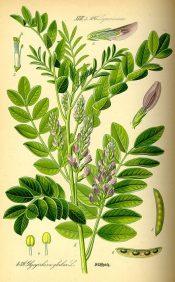
* Note: According to The University of Maryland Medical Center people with the following conditions should not take licorice:
- Heart failure
- Heart disease
- Hormone-sensitive cancers, such as breast, ovarian, uterine, or prostate cancer
- Fluid retention
- High blood pressure (hypertension)
- Diabetes
- Kidney disease
- Liver disease
- Low potassium (hypokalemia)
- Erectile dysfunction
Paeonia lactiflora
This herbaceous flowering plant is particularly cultivated in Tibet, northern China, and eastern Serbia. Its benefits are numerous, including inhibiting both acute and subacute inflammation, reducing pain, boosting immune function, easing PMS symptoms, and lowering testosterone levels in women.
Glycyrrhiza glabra and Paeonia lactiflora were used in this study due to their potential effect on reducing androgen levels.

Cinnamomum verum
This tropical tree is native to Ceylon and the Malabar Coast. In addition to its numerous medicinal uses, cinnamon may help improve menstrual regularity, ovulation, and insulin resistance.

Hypericum perforatum
Hypericum perforatum is a well-known medicinal herb with antidepressant properties. While no direct randomised controlled trial evidence exists for the effect of this herb on PCOS specifically, as depression is prevalent in this common syndrome, it was included in the specifically designed herbal preparation for this study. This herb may also assist in pain reduction, reducing inflammation and is an anti-cancer agent.

Tribulus terrestris
Tribulus terrestris (TT) was chosen “because of its possible potentiating effect of follicle-stimulating hormone (FSH) in women.” FSH levels are often low or low relative to luteinising hormone (LH) in PCOS. TT may also help women with low libido and may contain potent antioxidant properties.

Outcomes of Herbal Medicine and Lifestyle Approaches In PCOS
This multidisciplinary study yielded positive results in just three months, comparing a combined herbal medicine and lifestyle intervention to a lifestyle-only intervention.
What are the positive impacts of this combined approach?
- Conception rates increased.
- Waist circumference reduced in women with lifestyle and herbal medicine.
- Body weight and BMI kg/m2 improved.
- Fasting insulin was significantly lower for women taking the herbal medicine in addition to lifestyle changes.
- There was a significant improvement in both systolic and diastolic blood pressure readings.
- Improved psychological health with lower depression, anxiety, and stress scores recorded.
- A significant decrease in infertility rate, body weight, and menstrual problems was found.
- Concerns about body hair, infertility, and body weight were reduced, as were concerns about the menstrual cycle and emotional challenges.
- Improved LH (luteinizing hormone) levels (this hormone is commonly high in PCOS).
- Unfortunately, hyperandrogenism remains unaffected by herbal medicine intervention.
The bottom line
Combining natural PCOS treatments, lifestyle intervention and including herbal medicine significantly reduced many PCOS signs and symptoms.
A significant effect on menstrual irregularities was observed, characterised by a decrease in the length of the menstrual cycle, improved hormone levels, and a reduction in blood pressure. In addition, there were significant positive psychological effects with a reduction in depression, anxiety and stress levels.
Many natural health experts have been successfully using lifestyle and herbal interventions in PCOS for many years. A visit to a qualified Naturopath or herbalist knowledgeable in PCOS could be just what you need to boost your PCOS treatment success.
From PCOS to perfect health, with love,

Dr. Rebecca Harwin
The PCOS Expert
Chiropractor & Bestselling Author of
Conquer Your PCOS Naturally
www.ConquerYourPCOSNaturally.com
Love to pin? Share the love…
